
Electronic amusement keeps finding its way into public spaces kingkongcash.eu.com. A noteworthy example has popped up in some UK medical facilities: the King Kong Cash online slot showing up on waiting room screens. This isn’t just about a game. It combines patient distraction with modern digital habits and some serious ethical questions. Let’s analyze this situation. We’ll look at its practical role, the game’s features that might work in a waiting room, and the wider debate about proper content in healthcare. Our aim is a straightforward look at how a slot game came to have this peculiar job.
The Bigger Picture: Digital Content Policies
This specific case uncovers a larger, systemic problem. Many public institutions do not have formal digital content policies. What appears on screens in waiting rooms and lobbies is frequently decided ad-hoc by staff who are not experts. Developing a clear policy framework is essential. Such a policy should stipulate that all public-facing content undergoes review for appropriateness. Factors should include associated industries, potential triggers, universal accessibility, and compatibility with the institution’s health-focused mission. This renders content curation a thoughtful part of patient care, not an afterthought.
Elements of a Responsible Media Policy
A responsible policy would ban content linked to industries like gambling, alcohol, or tobacco. It would select material that is relaxing, educational, or aesthetically neutral. The policy should also establish a review process. This could involve communications staff, patient advocates, or ethics committee input for public areas. Regular audits of screen content are required. Training for facilities staff counts just as much. They need to grasp why these choices are important, moving beyond a list of rules to a shared goal of fostering a supportive environment.
King Kong Cash Slot Game: A Short Summary
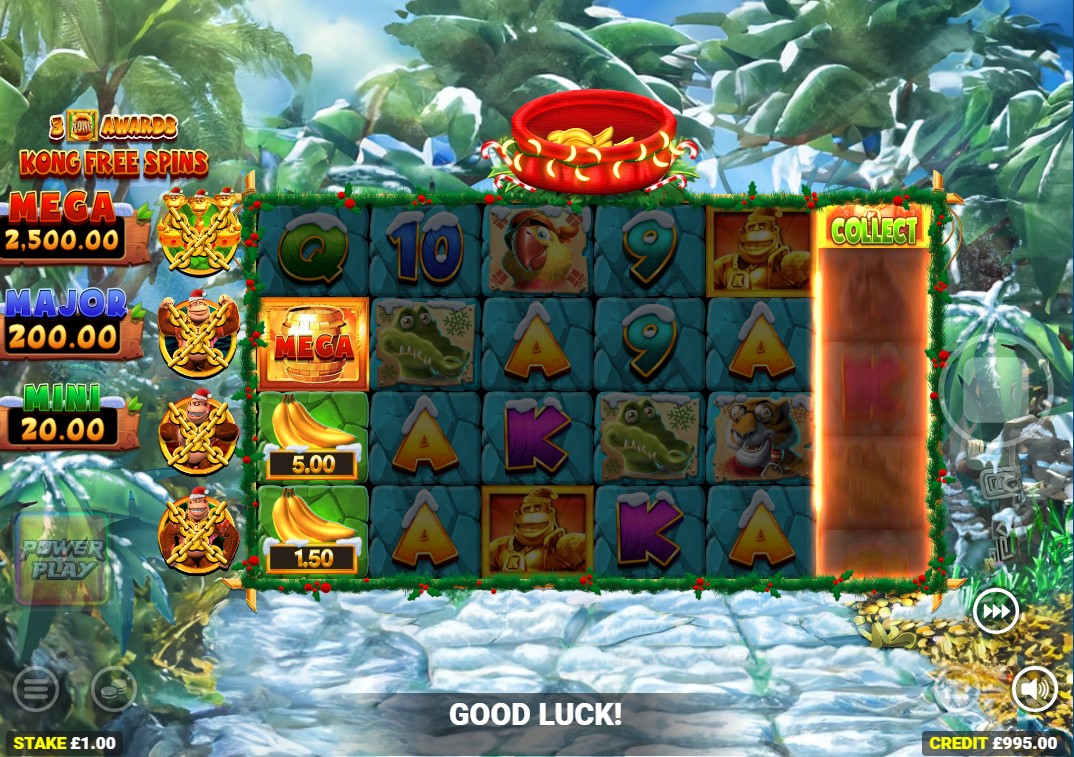
Initially, what does King Kong Cash entail? It represents an acclaimed online video slot centered around the famous giant ape. Its design is cartoonish and bright. It portrays King Kong perched on a skyscraper, displaying symbols such as planes, gorillas, and golden chests. The gameplay mechanics follow a modern slot pattern: spin reels to match symbols, with bonus features unlocked by particular combinations. Its vibe skews adventurous rather than intense. It embraces jungle-themed adventure and lighthearted treasure hunting, avoiding dark or heavy themes. This rather inviting look could be a major reason for its choice within public areas.
Essential Visual and Audio Features
The visuals are polished and animated, avoiding realistic graphics that could disturb viewers. Greens, golds, and blues dominate the color palette, which can be visually soothing. The real game includes upbeat music and sound effects, yet in a waiting area the audio would be turned off. This leaves just the silent visual show: spinning reels, tumbling wins, and animated bonus rounds. In silence, the game changes. It morphs into a series of abstract, colorful animations for an onlooker, altering its core essence.
Gameplay Loop and «Nudge» Features
A core mechanic within King Kong Cash is the «Nudge» mechanic. Kong himself can nudge reels to build winning lines. This introduces action driven by the character and a feeling of expectation, even for a passive viewer. The treasure chest bonus game, where players pick treasure chests, offers an element of straightforward, decision-based interaction. For a viewer, these features disrupt the monotony of regular spins. They generate small events within the sequence that can be curiously engaging to observe. It resembles observing another person play a relaxed video game.
Community and Patient Reception
People commonly react with astonishment and distress to seeing a slot game in a hospital waiting room. Some might dismiss it as a minor oversight. Many find it disconcerting and inappropriate. For individuals or families affected by gambling-related harm, the experience can be genuinely painful. It can feel like a violation of the care environment. This reaction reveals a clear disconnect between the content curators and the diverse values and experiences of the public they serve. It proves healthcare facilities need clear, sensitive, and ethically checked media policies.
The Event: The Causes and Mechanisms It Manifests
The hands-on approach is probably straightforward. An employee or a hired media agency could play the title on an apparatus connected to the waiting room monitor, employing an internet browser or a trial version. The «why» is more intricate. The choice likely comes from a good-intentioned but misguided quest for complimentary, continuously repeating, visually engaging material. The person responsible could perceive it as benign cartoon imagery with a well-known persona, missing the fundamental gaming systems. It reveals a gap in digital literacy and established media rules within state-run organizations.
Significant Ethical and Social Concerns
Employing a gambling-themed game in a healthcare setting raises deep ethical dilemmas. Hospitals are institutions of care and trust. The information they present, even passively, conveys a suggestion of approval. Gambling is a grave public health issue, linked to addiction, financial loss, and mental health crises. Displaying a slot game, even silently, normalizes gambling imagery and mechanics for a captive group. That audience may include vulnerable persons, those under financial burden from medical bills, or persons with existing addiction problems. It muddies the line between harmless fun and promoting a potentially harmful pursuit.
Fragility of the Patients
Patients in a hospital waiting room are inherently vulnerable. They or a loved one are ill, which often causes anxiety, fear, and high tension. Research indicates decision-making can deteriorate under these circumstances. Vulnerability to subliminal messaging or normalization can grow. Exposing people in this state to the reward cycles of a gambling game, however theoretical, is ethically questionable. It leverages a need for distraction without enough regard for the long-term links or triggers it might activate. This is especially pertinent for those recovering from gambling disorders.

Potential Benefits as Viewed by Facilities
A hectic hospital administrator could see clear benefits. The content is free in its demo form. It delivers continuous motion and color without needing sound. It presents a globally recognized character that could offer a sliver of nostalgic comfort. The game’s structure has predictable peaks of excitement during bonus rounds, which might work as brief distractions. Some could claim the simple, goal-oriented action of matching symbols provides a stressed mind a light cognitive task to follow passively. It could be a higher engaging focus point than a rolling news ticker.
A Distraction Factor Studied
Vibrant visuals grab attention better than static ones. The glowing lights, rotating reels, and win animations are engineered by experts to be absorbing. Even in a silent waiting room format, these sensory hooks continue to work. For a several minutes, a patient could track the reels, wait for Kong’s nudge, or watch the chest bonus unfold. This full, temporary absorption is the primary benefit any waiting room media desires. In that specific sense, the content «functions.»
Different Entertainment Solutions
Several solutions deliver distraction without the ethical baggage. Many hospitals now use digital signage systems that stream soothing nature scenes, aquariums, or slow artistic animations. Interactive touch-screen tables can provide educational health info, simple puzzles, or digital art programs. Curated, ad-free TV channels with documentaries about nature, science, or history work well too. The goal is to pick content that is really calming, works for everyone, and has no link to industries known to cause public health harm.
Low-Cost, High-Impact Options
Better solutions don’t need a big budget. Streaming services have vast libraries of suitable nature and travel content. Digital photo frames can cycle through local landscapes or tranquil art. Simple fish tanks, real or high-definition virtual ones, offer established therapeutic benefits. Even providing strong free Wi-Fi helps. It lets patients use their own devices for entertainment, putting choice and control back in their hands. They can pick distractions that suit their personal needs without the institution making the choice for them.
Grasping the Waiting Room Setting
Hospital and doctor’s office waiting areas are spots of worry, boredom, and delay. Time extends, often causing strain and unease feel worse. You typically encounter old magazines, quiet TVs showing news, and maybe a toy corner for kids. The main purpose of any entertainment here is escape. It must be a harmless, captivating activity that pulls a patient’s mind away from their concerns, even for a moment. Effectiveness isn’t about deep content. It’s about offering a mild, absorbing break. This background is key for evaluating anything that appears on these screens, King Kong Cash included.
The Need for Impartial Distraction
The perfect waiting room distraction appeals to everyone. It needs no instructions or prior knowledge. It should be eye-catching enough to draw the gaze, but not so complex it causes annoyance. The material must also remain inoffensive, shunning overly thrilling or disturbing topics. This gives facility managers with a difficult job. They must find content that engages but stays passive, interesting yet calm. In some area in this narrow space of suitability, looped game footage has apparently been considered. That’s how titles like King Kong Cash likely ended up on the monitors.
Shortcomings of Conventional Media
Magazines expire. Linear TV gives the viewer no option or command. A looping, colorful game sequence presents something different: a constant, predictable, and visually dynamic show. It functions without sound, which is important in a quiet room. The recurring cycle of slot gameplay, with its spins and bonus feature triggers, forms a complete little story. Anyone can begin viewing at any point. This assumed utility might account for why such content gets selected over more established, passive media.
Advancing: Recommendations for Healthcare Spaces
A few steps are practical. Healthcare facilities should immediately review what’s on all their public screens and take down any items with gambling themes or other harmful associations. Next, they should establish and implement a formal digital signage policy like the one mentioned. Soliciting feedback from patient panels on potential content is a wise move. Investment should go toward proven, therapeutic substitutes like nature content or interactive educational screens. The goal is to design waiting zones that do more than distract. They should consistently enhance to patient well-being and comfort, making every detail reflect the institution’s core goal of care.
Deja una respuesta